Product
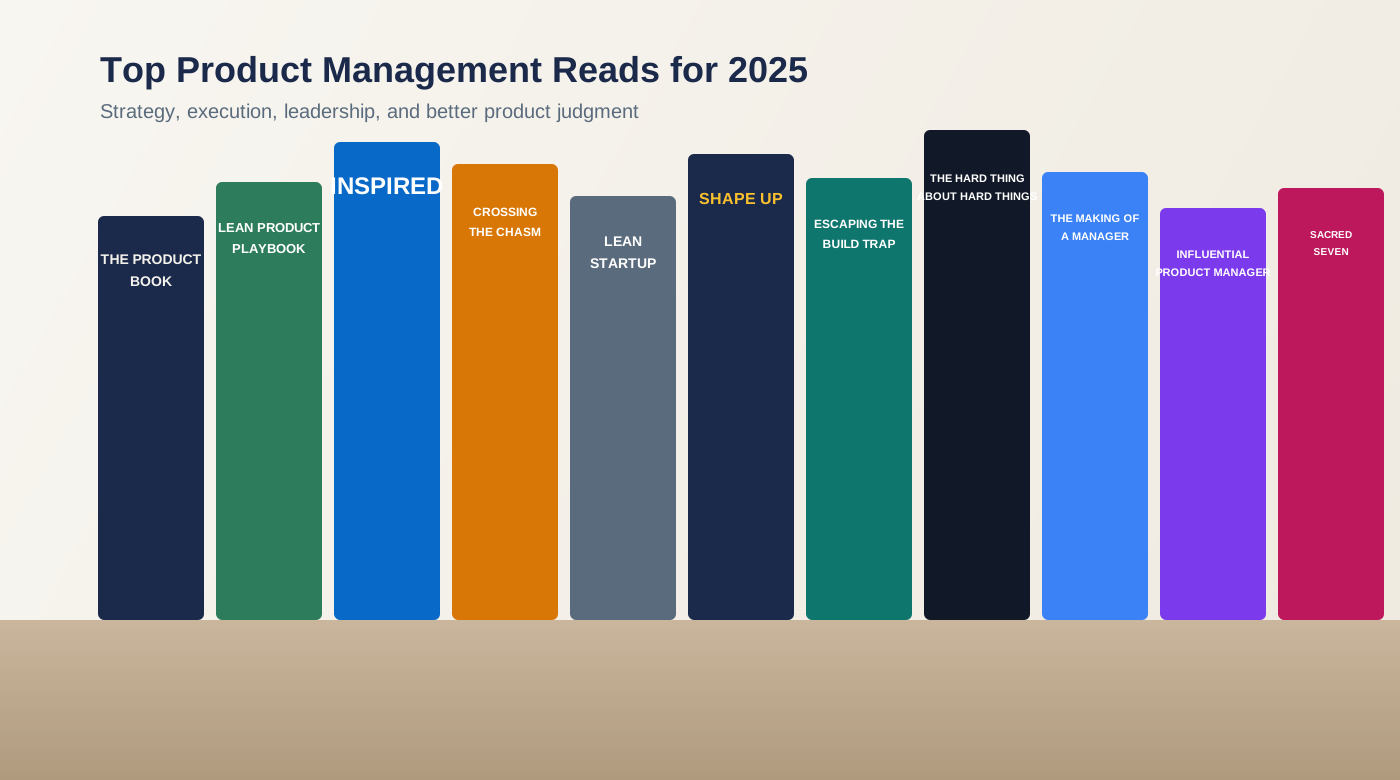
Top 11 Product Management Books I Still Recommend in 2025
If you work in product long enough, you realize your edge is not just taste or speed. It is decision quality under pressure. Books help with that.
I still read constantly because every quarter brings a new version of the same core challenge: what to build, why now, and how to align people around it. This list is my practical stack for 2025. Not trend books. Not theory for theory’s sake. These are the ones I return to when I need better product calls.
11
books in rotation
Covers PM fundamentals plus leadership, org design, and execution.
4
domains covered
Product craft, product strategy, management, and founder/operator mindset.
1
goal
Make sharper decisions and ship work users actually value.
Top 11 product management books to read in 2025
1) The Product Book — Josh Anon & Carlos González de Villaumbrosia

If someone is transitioning into product or resetting fundamentals, this is usually where I start. It is practical, structured, and interview-friendly without being shallow.
What I use it for:
- Clarifying the PM role for cross-functional teammates.
- Building a common language with early-career PMs.
- Tightening interview prep and role expectations.
2) The Lean Product Playbook — Dan Olsen

This is still one of the best PMF books because it stays concrete. It helps you connect target customer, underserved need, and product design choices without drifting into vague strategy language.
What I use it for:
- PMF discovery and iteration loops.
- Prioritization when teams are feature-heavy and signal-light.
- Structuring experiments around real user outcomes.
3) INSPIRED — Marty Cagan

I treat INSPIRED as a reference manual for modern product teams. It is less about templates and more about standards: what strong product organizations actually do differently.
What I use it for:
- Defining product operating model expectations.
- Improving product discovery quality.
- Coaching teams away from “requirements factories.”
4) Crossing the Chasm — Geoffrey A. Moore

Even though it was written before today’s AI cycle, the core adoption insight still holds. Moving from early enthusiasts to mainstream buyers is a different product and go-to-market game.
What I use it for:
- Segmentation decisions after early traction.
- Positioning and messaging shifts by adoption stage.
- Avoiding false confidence from “innovator-only” usage.
5) The Lean Startup — Eric Ries
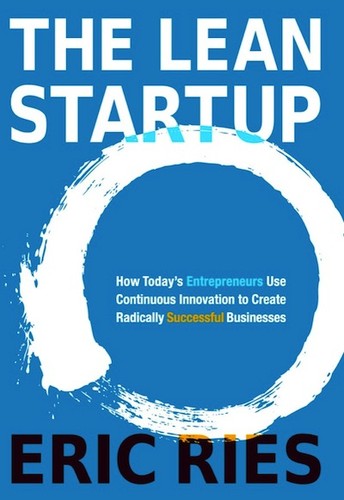
This book still matters because it teaches speed with discipline. Build-measure-learn sounds obvious until a roadmap gets crowded and teams stop validating assumptions.
What I use it for:
- Fast iteration without sacrificing learning quality.
- Hypothesis-driven planning.
- Startup and internal-venture operating rhythm.
6) Shape Up — Ryan Singer

If your roadmap constantly slips, read this. The betting cycle and shaping concepts are useful when teams need clearer boundaries and stronger ownership.
What I use it for:
- Scope shaping before engineering starts.
- Time-boxed bets with explicit tradeoffs.
- Healthier planning cadence for small teams.
7) Escaping the Build Trap — Melissa Perri

This is one of my favorites for product leaders. It gives language and structure for the difference between output and outcomes, which is usually where product teams drift.
What I use it for:
- Outcome-based product strategy conversations.
- Better product KPI selection.
- Org-level product maturity improvements.
8) The Hard Thing About Hard Things — Ben Horowitz

Not a PM how-to, but essential reading for anyone operating in ambiguity. It is a reality check on leadership when conditions are messy and no playbook fits perfectly.
What I use it for:
- Executive judgment under uncertainty.
- People decisions during high-pressure moments.
- Founder-level context PMs need to understand.
9) The Making of a Manager — Julie Zhuo

This one is especially good when strong ICs move into people leadership. It is practical, clear, and grounded in real management moments.
What I use it for:
- Coaching new managers.
- Improving 1:1 quality and feedback loops.
- Building healthier team dynamics.
10) The Influential Product Manager — Ken Sandy
Influence is a core PM skill, and this book focuses on that directly. Good for PMs who are solid on craft but need more leverage with stakeholders.
What I use it for:
- Stakeholder alignment across functions.
- Communication strategy through the lifecycle.
- Building trust without formal authority.
11) Product Management’s Sacred Seven — Neel Mehta, Parth Detroja, Aditya Agashe
This one is useful because it compares patterns across many companies, not just one operating environment. It helps you understand what varies and what stays consistent.
What I use it for:
- PM benchmarking across company types.
- Identifying transferable PM patterns.
- Expanding how I think about product org design.
How I use this list in practice
I do not read these as one-time cover-to-cover trophies. I use them as operating references:
- Discovery phase: The Lean Product Playbook + INSPIRED.
- Roadmap and execution phase: Shape Up + Escaping the Build Trap.
- Leadership and influence phase: The Making of a Manager + The Influential Product Manager.
- Founder/operator context: The Hard Thing About Hard Things + The Lean Startup.
That mix has helped me across enterprise work at AWS and founder-led execution with Falcoscan.
Closing note
There is no single “best” PM book. The right book depends on the decision in front of you. But if you build from this 11-book base, you will have stronger frameworks, better judgment, and more language to lead through ambiguity.
If you want, I can publish a follow-up with my top 3 chapters from each book and how I applied them in real projects.
I am building Falcoscan in public and writing about decisions as they happen. If you are hiring for Senior, Staff, or Founding PM roles, I would love to talk — shemnyachieo@live.com.